
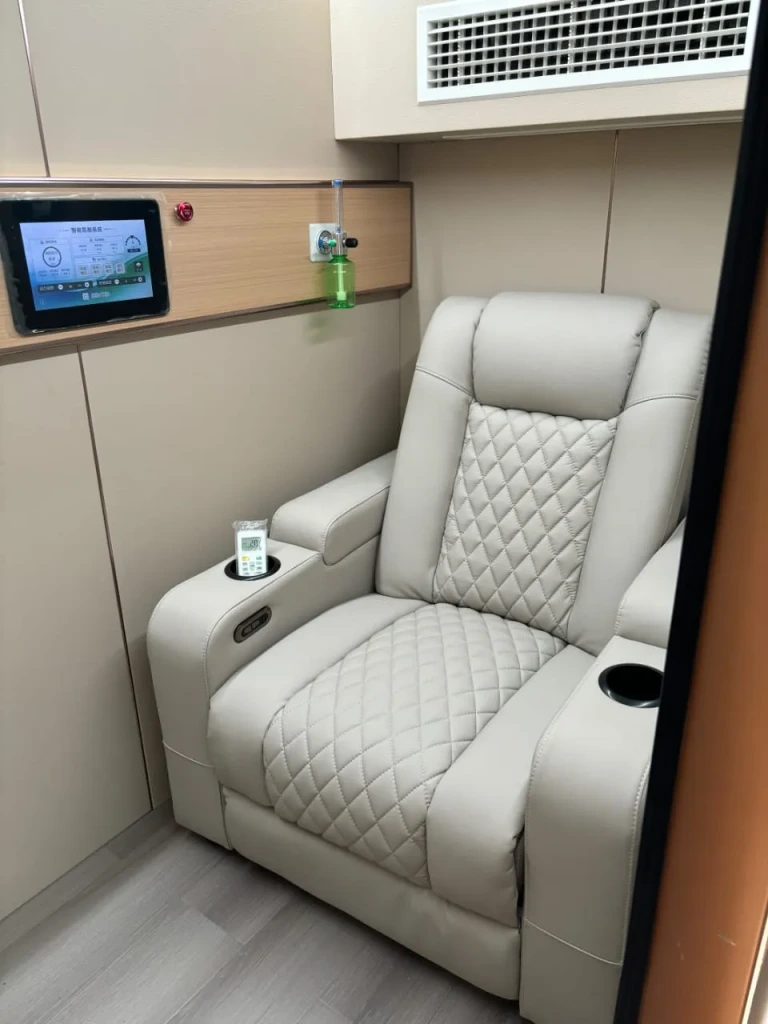
The Rise of At-Home Wellness: Why Hyperbaric Oxygen Chambers Are Becoming a Defining Category in Modern Health Culture
Over the past decade, the concept of home wellness has undergone a profound transformation. What was once limited to simple fitness equipment, meditation apps, or basic lifestyle routines has now evolved into a sophisticated ecosystem of advanced health technologies designed for personal use.
Among these emerging innovations, hyperbaric oxygen chambers are increasingly being recognized as one of the most notable developments in the premium wellness sector.
This shift is not simply technological—it is cultural. It reflects a deeper change in how modern consumers perceive health itself. Instead of viewing wellness as something episodic or reactive, individuals are beginning to approach it as a continuous, proactive, and highly personalized process integrated into daily life.
Hyperbaric oxygen chambers align with this new mindset. They offer users the ability to engage in structured recovery experiences within their own environment, without dependence on external facilities or rigid scheduling constraints.
Several macro trends are driving this adoption:
1. The acceleration of high-stress lifestyles
Modern work environments are increasingly demanding, both physically and cognitively. This has created a growing demand for recovery-oriented solutions that can operate within limited time windows.
2. The normalization of advanced wellness technologies
Once considered niche or clinical, technologies such as oxygen therapy, infrared recovery, and physiological monitoring are becoming widely understood by mainstream consumers.
3. The shift toward autonomy in health management
Consumers are no longer passive participants in healthcare systems. Instead, they are actively seeking tools that allow them to take control of their own well-being.
Within this context, hyperbaric oxygen chambers represent more than a product category—they symbolize a broader shift toward decentralized, individualized wellness infrastructure.
As the global wellness economy continues to expand, it is increasingly likely that such systems will become integrated into high-end residential environments, wellness suites, and next-generation smart homes.
What we are witnessing is not a temporary trend, but the early formation of a new standard in home-based health optimization.